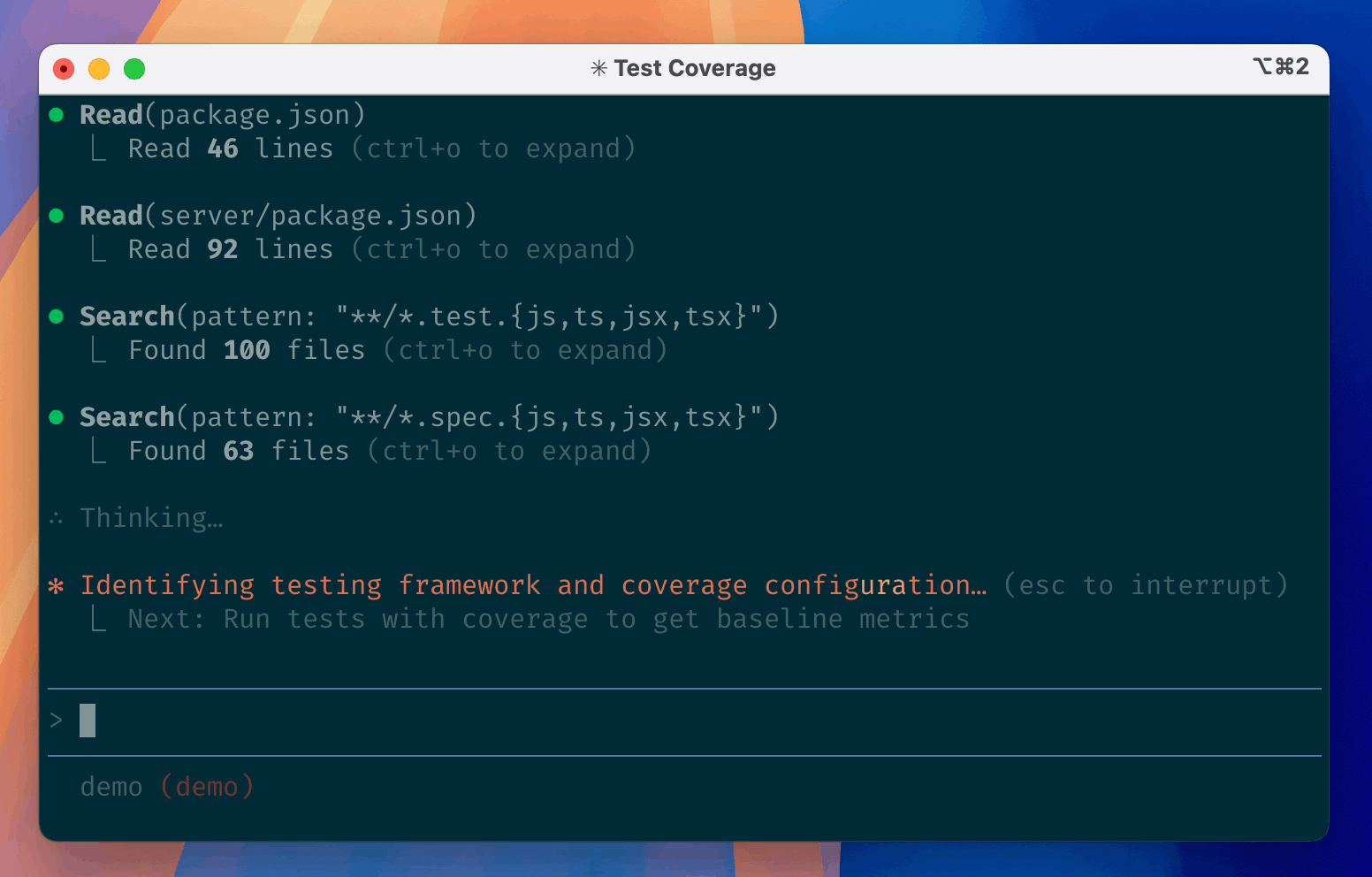
Constrained peek so you can sanity-check the source material without leaving the site.
<p align="center">
<img src="https://raw.githubusercontent.com/TonyStef/Grov/main/owl_design11-removebg-preview.png" alt="grov logo" width="120">
</p>
<h1 align="center">grov</h1>
<p align="center"><strong>Collective AI memory for engineering teams.</strong></p>
<p align="center"><em>When one dev's AI figures something out, every dev's AI knows it.</em></p>
<p align="center">
</p>
<p align="center">
<a href="https://grov.dev">Website</a> •
<a href="https://app.grov.dev">Dashboard</a> •
<a href="#quick-start">Quick Start</a> •
<a href="#features">Features</a> •
<a href="#contributing">Contributing</a>
</p>
The Problem
Your team's AI agents are learning in silos.
- Dev A's Claude spends 10 minutes understanding your auth system
- Dev B's Claude does the exact same exploration the next day
- Dev C asks a question that was already answered last week
- Every new session starts from zero
The waste: Redundant exploration, duplicate token spend, knowledge that disappears when sessions end.
The Solution
Grov captures what your team's AI learns and shares it automatically.
Dev A: "How does auth work in this codebase?"
        ↓
     Claude investigates, figures it out
        ↓
     Grov captures the reasoning + decisions
        ↓
     Syncs to team dashboard
        ↓
Dev B: "Should we add password salting?"
        ↓
     Claude already knows: "Based on verified team knowledge,
     no - this codebase uses OAuth-only, no passwords stored"
        ↓
     No exploration needed. Instant expert answer.
Measured impact: Tasks drop from 10+ minutes to 1-2 minutes when team context is available.
Quick Start
npm install -g grov   # Install
grov init             # Configure (one-time)
grov proxy            # Start (keep running)
Then use Claude Code normally in another terminal. That's it.
Other Tools
grov setup              # Interactive setup (Cursor, Zed, Codex)
grov init cursor        # Direct setup for Cursor CLI
grov init antigravity   # Direct setup for Antigravity
IDE integrations (Cursor, Zed, Antigravity) use native MCP - no proxy needed.
Important: Your ANTHROPIC_API_KEY must be set permanently in your shell profile, not just with export in a terminal. See Troubleshooting for setup instructions.
For team sync:
grov login                    # Authenticate via GitHub
grov sync --enable --team ID  # Enable sync for your team
Free for individuals and teams up to 3 developers.
What Gets Captured
Real reasoning, not just file lists:
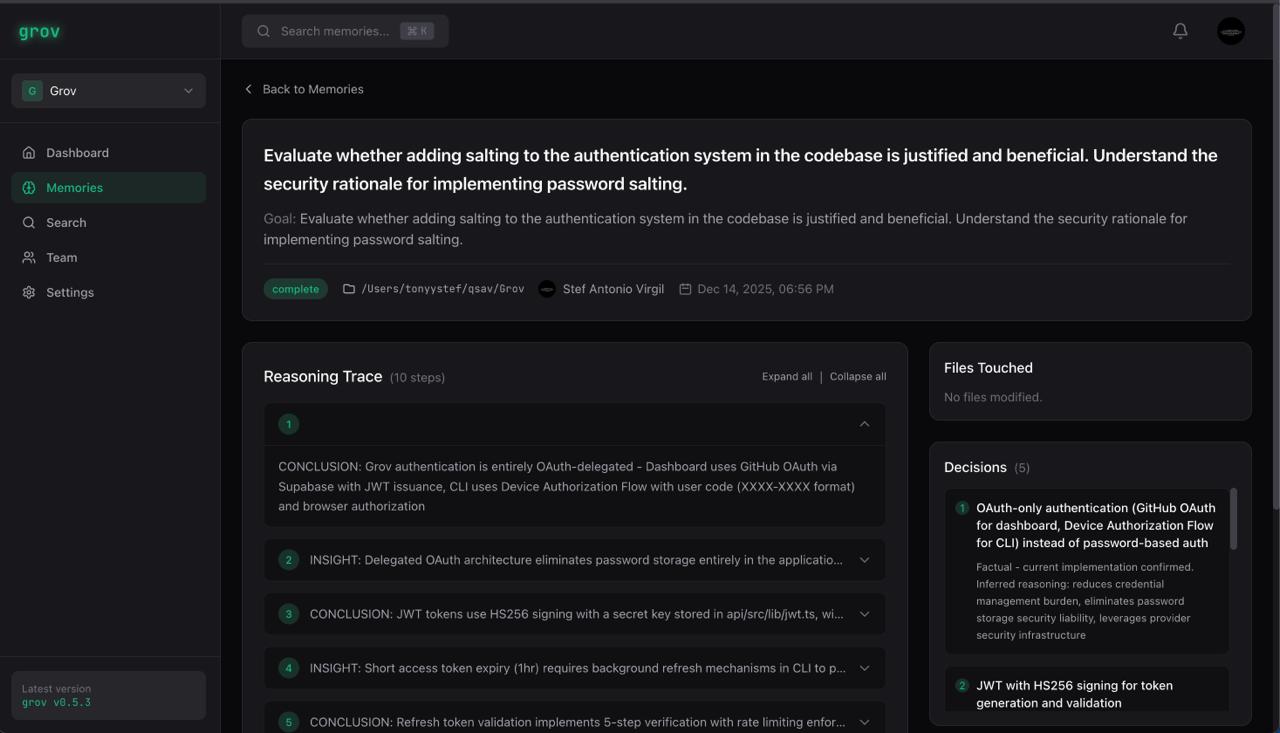
Architectural decisions, patterns, and rationale - automatically extracted and synced to your team.
Every captured memory includes:
- Reasoning trace - The WHY behind decisions (CONCLUSION/INSIGHT pairs)
- Key decisions - What was chosen and why alternatives were rejected
- Files touched - Which parts of the codebase are relevant
- Constraints discovered - What can't break, what must stay compatible
What Your Team Gets
When a teammate asks a related question, Claude already knows:
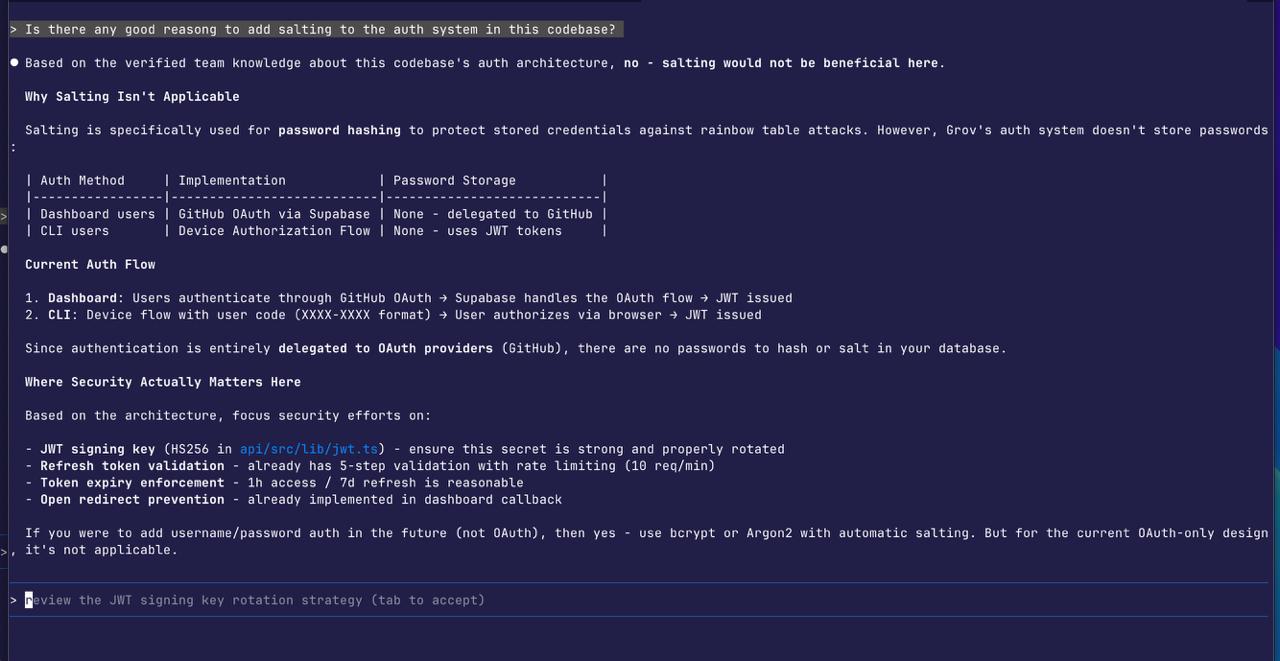
No exploration. No re-investigation. Instant expert answers from team memory.
Claude receives verified context and skips the exploration phase entirely - no "let me investigate" or "I'll need to look at the codebase."
Features
Team Knowledge Sharing
The core value: what one dev's AI learns, everyone's AI knows.
- Automatic capture - Reasoning extracted when tasks complete
- Automatic sync - Memories sync to your team in real-time
- Automatic injection - Relevant context injected into new sessions
- Hybrid search - Semantic (AI understands meaning) + lexical (keyword matching)
Anti-Drift Detection
Grov monitors what Claude does (not what you ask) and corrects when it goes off-track.
- Extracts your intent from the first prompt
- Monitors Claude's actions (file edits, commands, explorations)
- Scores alignment (1-10) using Claude Haiku
- Injects corrections at 4 levels: nudge → correct → intervene → halt
# Test drift detection
grov drift-test "refactor the auth system" --goal "fix login bug"